Rental properties are one of the most reliable ways real estate investors build long-term wealth.
But owning rentals successfully requires more than buying a house and collecting rent. A profitable rental portfolio depends on buying the right properties, running the numbers honestly, and building systems that allow the business to operate without constant stress.
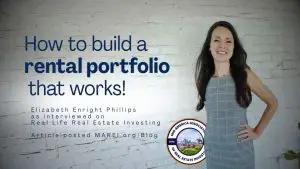
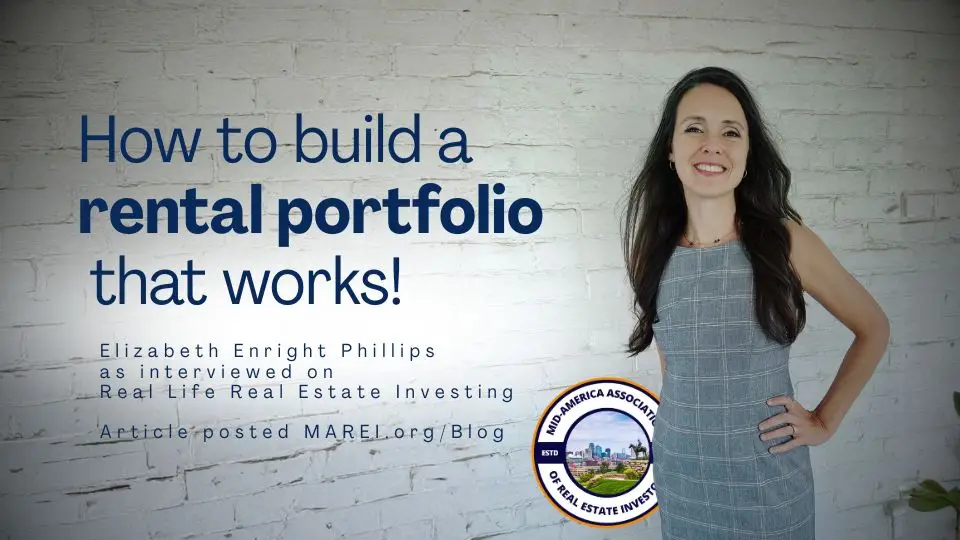
Recently, we listened to an episode of the Real Life Real Estate Investing radio show where Vena Jones-Cox interviewed investor Elizabeth Enright Phillips about how she manages more than 40 rental units while raising a family and running multiple businesses.
Listen to a replay of that episode here.
What stood out in that conversation was not just the size of the portfolio. It was the intentional way the business was built. Elizabeth described a rental operation built on systems, clear expectations, and a long-term strategy for both property acquisition and management.
Here are several lessons from that conversation that apply to anyone trying to build a rental portfolio.
Building a Rental Portfolio Is a Process, Not a Shortcut
Elizabeth’s first rental property was a distressed duplex she discovered while jogging through a neighborhood in Columbus, Ohio. She and her husband renovated the property themselves and temporarily lived in one unit while fixing it up.
That first deal did not immediately lead to rapid growth. In fact, it took several years before they purchased additional properties. What eventually allowed them to expand was developing two key capabilities:
Finding off-market opportunities
Access to private money to fund acquisitions
Those two pieces dramatically changed how quickly they could grow their rental portfolio.
Many investors focus only on finding the next deal. In reality, the long-term growth of a rental portfolio usually depends on improving the systems around deal sourcing, financing, and management.
The Biggest Challenge With Rentals Is Management
One of the biggest reasons investors avoid rental properties is the belief that managing tenants will consume all of their time.
Elizabeth described two common approaches investors take:
Hiring a full property manager and giving up a significant percentage of rent.
Managing everything themselves and becoming overwhelmed by maintenance requests, bookkeeping, and tenant communication.
Instead, she developed what she calls a hybrid management approach.
Rather than handling every task personally or outsourcing everything, she built systems and support roles around three core areas of rental operations.
The Three Systems Behind Rental Property Management
Elizabeth organizes rental property management into three categories:
1. Renter Care
Instead of viewing the relationship as a traditional landlord-tenant conflict, she focuses on setting clear expectations and building professional relationships with residents.
This includes clear onboarding processes so new renters understand how the property operates, what is expected of them, and how maintenance requests and communication will work.
Clear expectations reduce confusion and prevent many common problems before they start.
2. Unit Care
Every rental property requires ongoing maintenance and occasional renovations.
Rather than reacting to problems one at a time, successful landlords develop systems for:
maintenance requests
contractor relationships
unit turns between tenants
preventative maintenance
Without these systems, rental property ownership quickly becomes reactive and stressful.
3. Bookkeeping
The third system is financial tracking. This includes rent collection, expenses, taxes, and long-term capital planning.
Bookkeeping may not be the most exciting part of rental ownership, but it is essential for understanding whether a property is actually performing as expected.
Many rental investors discover too late that they underestimated expenses or failed to account for major repairs.
Three Mistakes New Rental Owners Often Make
During the interview, Elizabeth shared several mistakes she frequently sees new landlords make when starting out.
1. Waiting Too Long to Seek Mentorship
Many investors try to figure everything out on their own. They only seek advice after they have experienced a costly mistake.
Learning from experienced investors early can prevent many of the problems new landlords encounter.
2. Starting Without a Clear Vision
Some rental owners treat their properties more like a side hobby than a structured business.
Without defined processes for screening renters, handling maintenance, and managing finances, the business becomes inconsistent and reactive.
Successful rental portfolios usually grow from a clear operational structure.
3. Not Running the Numbers Correctly
Perhaps the most common mistake is inaccurate deal analysis.
Elizabeth emphasized that rental properties must be evaluated realistically. In addition to principal, interest, taxes, and insurance, investors should account for:
maintenance and repairs
vacancy and turnover
property management or labor costs
rising taxes and insurance
income taxes on rental profits
If a property still performs well after those expenses, it may be a strong addition to a rental portfolio.
Rental Properties Can Create Community Impact
Another interesting part of the conversation was Elizabeth’s focus on improving neighborhoods.
In her market, she and her husband intentionally target distressed properties that have become problems for surrounding homeowners. By renovating those houses and placing stable renters, they help stabilize entire blocks.
For many real estate investors, rental properties are not just financial assets. They can also improve housing quality and strengthen neighborhoods when managed responsibly.
Why Community Matters in Real Estate Investing
One theme that came up repeatedly during the interview was the value of learning from other investors.
Books, podcasts, and online resources can help investors get started. But real estate investing often requires advice specific to local markets, financing structures, and property management laws.
Experienced investors can often identify issues with a deal or a management strategy that a new investor might overlook.
Building relationships with other investors is often just as important as learning technical knowledge.
Continuing to Learn About Rental Investing
If you are interested in learning more about building a rental portfolio, Elizabeth will also be teaching a deep-dive workshop for MAREI:
MAREI Master Class: The Rental Roadmap — How to Find, Evaluate, Manage, and Scale a Rental Portfolio
Saturday, March 28, 2026
8:00 AM – 2:00 PM
Virtual Online Meeting
The workshop will explore the full process of rental investing, including how to find opportunities, analyze deals, build management systems, and grow a portfolio over time.
You can see the details on the MAREI calendar at:

Elizabeth Enright Phillips
Real Estate Investor & Designer