Why Most Wholesalers Fail Before They Even Make an Offer
Wholesaling houses is one of the most talked-about strategies in real estate investing — and one of the most misunderstood.
On the surface, it sounds simple: find a deal, lock it up, sell the contract, and cash a check. But there are two very different versions of wholesaling, and knowing the difference can make or break your success.
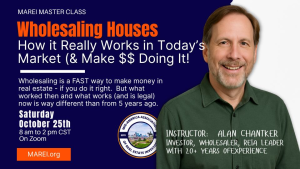
We’ve been talking with Alan Chantker, a 20 year veteran Wholesaler to get his take on that it takes to be successful in this business.
Two Kinds of Wholesaling
First, just what is wholesaling? Buying low and selling low. Generally you are selling to an industry partner, not the consumer and leaving some profit in the deal so the partner can make money when they sell.
Wholesaling when you buy means you actually close on the property, take title (often using private or transactional funding), and then resell it quickly — usually to another investor.
Wholesaling when you assign means you get a property under contract at a great price, then sell your rights to that contract to another buyer for a fee.
Both strategies work. But both depend on one key ingredient that most new wholesalers overlook: motivated sellers.
Who You’re Really Looking For: Motivated Sellers
The best deals in wholesaling don’t come from the nicest houses or the best neighborhoods — they come from people who have a problem they need solved.
A motivated seller isn’t desperate. They’re simply ready. Ready to get rid of a property that’s become a burden. Ready to simplify their life. Ready to move on.
As Alan Chantker likes to say, “We’re not in the house business, we’re in the problem-solving business.”
A motivated seller could be:
Someone who inherited a house they can’t maintain.
A landlord tired of bad tenants and constant repairs.
A homeowner facing foreclosure or a messy divorce.
An elderly person needing to downsize and move quickly.
These aren’t people looking for top-dollar offers from realtors. They need certainty. They need a clean, reliable solution — and that’s where a skilled wholesaler earns their value.
The Real Reason Most Wholesalers Struggle
The #1 reason wholesalers fail isn’t lack of knowledge — it’s lack of consistent activity. They simply don’t talk to enough sellers.
Wholesaling is a numbers and systems game. It takes hundreds of marketing touches to create real conversations, and dozens of conversations to get one deal.
Alan reminds investors that sending one batch of postcards or making ten cold calls doesn’t count as marketing — it counts as starting.
The investors who succeed are the ones who track their results, measure their response rates, and never stop reaching out.
Marketing Is Your Real Job
If you’re in the wholesaling business, your product isn’t houses — it’s leads.
That means your time and energy should go into marketing that gets the phone ringing: direct mail, driving for dollars, online ads, networking, and follow-up.
Successful wholesalers have consistent lead generation systems. They don’t send a few letters and hope for the best. They treat marketing as their lifeline — because it is.
Empathy Wins More Deals Than Hustle
Once the phone rings, the next skill that separates great wholesalers from everyone else is empathy.
It’s not about convincing someone to sell. It’s about understanding why they’re calling you. What are they worried about? What do they need help with?
Listen. Ask good questions. Figure out what’s really going on.
The best wholesalers close deals not because they’re the cheapest or fastest, but because they take the time to help people solve real problems.
Empathy builds trust — and trust builds deals.
Alan often points out that you can’t “out-muscle” your way into trust. The wholesaler who listens, asks questions, and treats the seller with respect almost always wins the deal — even if their offer isn’t the highest.
The Bottom Line
You’re not going to master wholesaling in a weekend, especially not from random YouTube videos where the person teaching is trying to sell you the widget they’re using.
That’s why MAREI is hosting a Saturday Master Class designed to teach How Wholesaling Really Works in 2025’s market — not to sell you tools, services, or a “next-level” course.
Our instructor, Alan Chantker, is a veteran investor with more than 20 years of experience doing real deals in all kinds of markets. He’s here to share his systems, his mistakes, and his best strategies for helping you succeed.
And as an added bonus, everyone who registers will also receive MAREI’s new ebook: “100 Ways to Find Motivated Seller Leads.”
Wholesaling
Wholesaling is buying low and selling low. Generally you are selling to an industry partner, not the consumer and leaving some profit in the deal so the partner can make money when they sell.