The rental market is changing faster than ever. Zillow, Apartments.com, Airbnb, and now PadSplit have reshaped how we advertise, fill, and manage rentals.
But the biggest shift isn’t just moving everything online—it’s the explosion of new ways we can rent.
If you’re still only renting single-family homes with a 12-month lease to one household, you might be leaving serious money on the table.
That’s where Shared Housing and Co-Living come in.
What is Shared Housing in the Co-Living Sense?
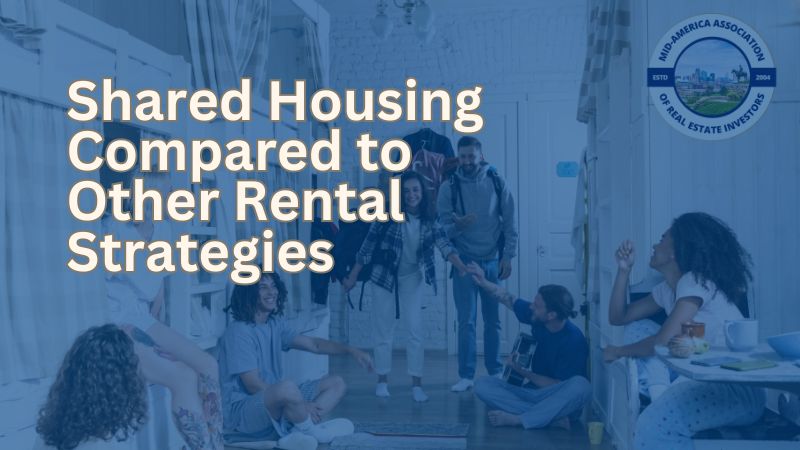
At its core, Shared Housing means renting out individual rooms instead of the entire house. Residents share the common areas—kitchen, living room, laundry, sometimes bathrooms—while maintaining their own private, lockable bedrooms.
This isn’t a new idea. Rooming houses and boarding houses have existed for centuries. But what’s different now is how technology and tenant demand have made co-living a mainstream investment strategy.
Today’s shared housing looks more like:
Clean, modern homes with furnished rooms
Utilities, Wi-Fi, and sometimes streaming services bundled into rent
Clear house rules that foster safety and community
Weekly rent payments aligned with tenant cash flow
PadSplit, the leading platform in this space, has made it turnkey for landlords by handling:
✔️ Marketing to residents
✔️ Screening and background checks
✔️ Rent collection (with late fees automated)
✔️ Conflict resolution and house rules enforcement
👉 Click here to learn more about becoming a PadSplit Host (affiliate link — we may earn a referral fee if you sign up).
Why Investors Are Flocking to Shared Housing
The math is simple but powerful:
Traditional rental: One tenant, one rent check.
Shared housing rental: 3–6 tenants, multiple rent checks.
This model can:
🏡 Double or triple rental income compared to one household leases
💸 Spread out risk—if one room is vacant, the others still pay
🛠️ Unlock hidden value—convert dining rooms, basements, or offices into bedrooms
📉 Reduce turnover cost—shorter commitments but faster re-leasing
Example:
A 3-bedroom home rented traditionally at $1,500/month might gross $18,000 per year.
The same home, restructured into 5 rentable rooms at $175/week, grosses $45,500+ per year.
Even after factoring in utilities, Wi-Fi, and furnishings, the cash flow is hard to ignore.
Why Tenants are Choosing Shared Housing
For tenants, co-living solves three major problems:
Affordability
Housing costs have outpaced wages. Shared housing lets essential workers, students, and gig economy earners afford a safe, private space.Flexibility
Remote work has tripled since 2019. Many renters now want short-term stays, bundled bills, and the ability to relocate without breaking a lease.Community
Many people—especially younger renters or those rebuilding their lives—value the built-in social aspect of co-living.
Top tenant profiles include:
Nurses, EMTs, and caregivers on rotating shifts
Students who only need housing during semesters
Gig workers and digital nomads
Individuals with credit challenges who need affordable, no-deposit housing
The Bigger Housing Picture
Shared housing is more than a cash flow play—it’s part of the solution to the affordability crisis.
According to the National Low Income Housing Coalition, the U.S. is short over 7 million affordable rental homes for low-income renters. At the same time, millions of large single-family homes sit underutilized.
Shared housing bridges that gap:
Homeowners and landlords earn more.
Residents access affordable housing.
Communities stabilize by reducing homelessness and housing insecurity.
This is why cities are beginning to support co-living models—and why platforms like PadSplit are expanding rapidly across U.S. metros.
Beyond PadSplit: Other Shared Housing Models
While PadSplit is the tech-powered “Airbnb for roommates,” it’s not the only way to succeed.
Senior Shared Housing (“Boom-Mates”)
Large homes retrofitted for 3–5 older adults.
Lower turnover, reliable rents.
Community and affordability for seniors without full-time care needs.
Transitional & Re-Entry Housing
Serving those re-entering society, coming out of rehab, or aging out of foster care.
Partnerships with nonprofits and agencies who help manage residents.
Both mission-driven and profitable.
Workforce Co-Living (Boarding House 2.0)
Affordable, all-inclusive rooms for frontline workers and students.
Weekly payments match cash flow.
Faster leasing and steady demand.
Ready to Explore PadSplit Hosting?
Shared housing is no longer fringe investing—it’s becoming a mainstream strategy for generating cash flow, stability, and impact.
Click here to register for our September 9th MAREI Meeting
And if you want the full blueprint for implementing shared housing (PadSplits and beyond), don’t miss MAREI’s September 9th MAREI Meeting with Pad Split Host – Michael O’Driscoll